

Introduction
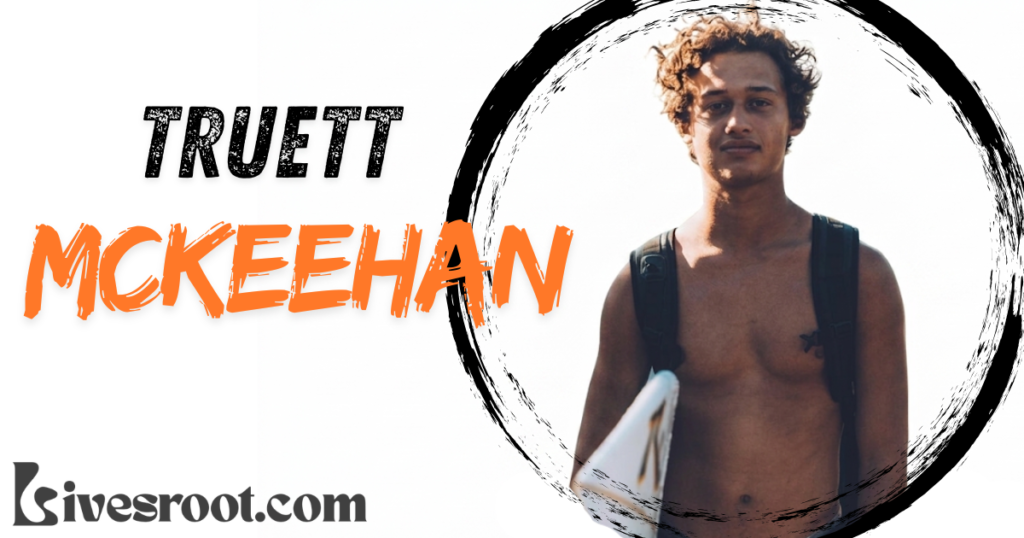
Truett Foster McKeehan, better known as Truett McKeehan, was an American aspiring rapper, musician and songwriter who grew up in one of contemporary Christian music’s most recognizable families. He was the eldest son of Christian recording artist TobyMac, but his musical story went beyond being the child of a famous musician.
Truett began appearing on his father’s recordings while he was still young, initially using the name TruDog. Over time, he performed and created music under names including TRU and Truett Foster, while developing an increasingly independent artistic identity. His documented work included vocal performances, collaborations and songwriting, including a songwriting credit on TobyMac’s “Lights Shine Bright.”
His career was still developing when his life ended suddenly. Truett died on October 23, 2019, at age 21, only six days after performing what his father described as his first live show. The Davidson County medical examiner later determined that his death was an accidental overdose involving fentanyl and amphetamines.
Because of his father’s fame, much of the public discussion about Truett has naturally focused on TobyMac. Yet a fuller biography shows a young artist trying to establish his own voice, create music independently and move beyond the label of simply being a famous musician’s son.
His story is therefore not only about a tragic death. It is also about family, artistic independence, ambition, music, faith, and a career that was only beginning to take shape.
Quick Facts:
| Fact | Details |
|---|---|
| Full name | Truett Foster McKeehan |
| Known as | Truett McKeehan; TruDog; TRU; Truett Foster; Shiloh/Shiloah |
| Profession | Aspiring rapper, musician and songwriter |
| Nationality | American |
| Born | September 4, 1998 |
| Died | October 23, 2019 |
| Age at death | 21 |
| Father | TobyMac |
| Mother | Amanda Levy McKeehan |
| Siblings | Moses, Marlee, Leo and Judah McKeehan |
| Birthplace | Franklin, Tennessee, United States |
| Education | No reliable public record confirming a school, college, university or degree |
| Marital status | Unmarried |
| Children | None |
| Years active in music | From childhood appearances through 2019 |
| Known for | Music collaborations with TobyMac, songwriting, independent rap and his emerging artistic identity |
| First publicly described live show | The Factory, Franklin, Tennessee, October 17, 2019 |
| Cause of death | Accidental overdose involving fentanyl and amphetamines, according to the medical examiner |
| Notable posthumous connection | TobyMac’s song “21 Years” and the album Life After Death |
| Verified net worth | He was at beginning of his career.His father has 10million $. |
Early Life and Family Background
Truett Foster McKeehan was born on September 4, 1998, to TobyMac and Amanda Levy McKeehan. His father, born Kevin Michael McKeehan, had already become an important figure in Christian hip-hop through his work with DC Talk and later through his successful solo career.
Truett was the couple’s first child. He grew up in a household where professional music was not an occasional influence but part of everyday life. Recording, songwriting, touring and the broader contemporary Christian music industry were familiar parts of his environment.
That background gave Truett unusual exposure to music from an early age. It also created a challenge that would become increasingly important as he grew older: how to develop an identity of his own when his father was already a major recording artist.
TobyMac later explained that Truett did not simply want to become a child celebrity. He wanted to experience life, develop his own perspective and eventually have something of his own to say through music. His father described him as someone who resisted being placed in a box and wanted room to become his own person.
That distinction is important when understanding Truett’s career. His proximity to the music industry opened doors, but his later work shows an effort to develop beyond the role of “TobyMac’s son.”
Also Read : breasia-terrell
Truett McKeehan’s Parents
TobyMac
Truett’s father was TobyMac, one of the best-known names in Christian rap and contemporary Christian music.
TobyMac’s career began with DC Talk before he established himself as a solo artist. His work combined hip-hop, pop, rock and contemporary Christian music and helped broaden the audience for Christian rap.
For Truett, this meant growing up around a professional musician who could provide both personal support and direct insight into recording and performance.
Their relationship eventually became both father-son and musical collaborator.
TobyMac did not merely watch his son’s musical ambitions from a distance. He recorded with him, encouraged him, attended his performances and later used music to process the loss of his son.
Amanda Levy McKeehan
Truett’s mother was Amanda Levy McKeehan. She and TobyMac married in 1994.
Amanda and TobyMac had five children, with Truett as their firstborn. The family remained a central part of TobyMac’s public life, although much of the family’s private life has appropriately remained outside the public record.
Truett McKeehan’s Siblings
Truett had four siblings:
- Moses McKeehan
- Marlee McKeehan
- Leo McKeehan
- Judah McKeehan
Moses and Marlee were adopted as twins in 2002. Public biographies of TobyMac identify Truett as the family’s eldest child.
Because the younger McKeehan siblings have had substantially less public exposure than TobyMac, the available information about their private lives is limited. A responsible biography should therefore avoid filling gaps with speculation.
Growing Up Around Music
Truett’s childhood environment helps explain why music became such a natural part of his life.
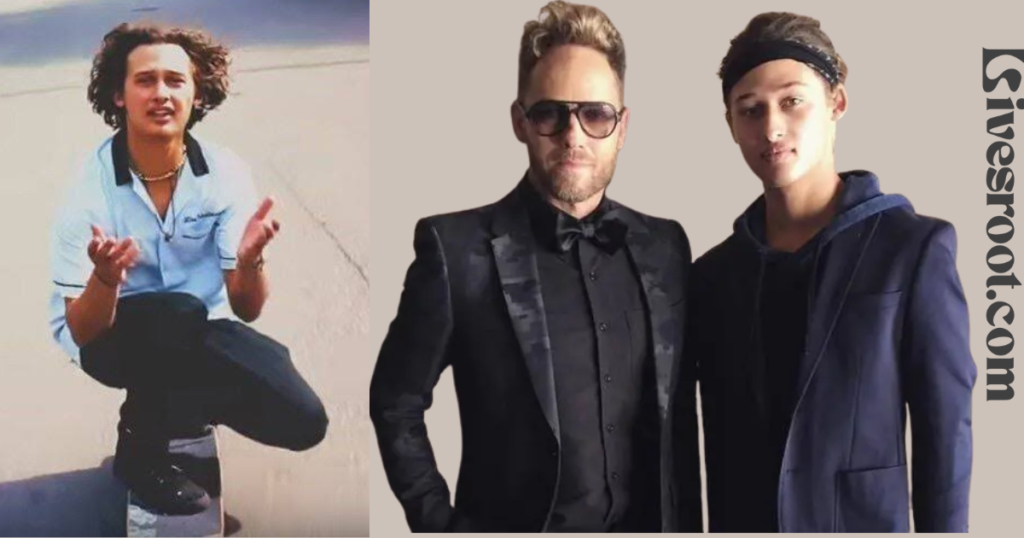
He was not introduced to recording only as an adult. He participated in his father’s musical projects while still young, using the nickname TruDog.
These early appearances were significant because they provide a documented history of Truett’s involvement with professional music well before his independent career began.
At the same time, his father’s later recollections suggest that Truett did not necessarily want to rush into becoming a professional performer simply because he had access to the industry.
Instead, he wanted to live, experiment and develop an individual voice.
That approach helps explain the progression from TruDog, the child appearing alongside his famous father, to TRU and Truett Foster, identities more closely associated with his own artistic development.
Education
There is no sufficiently reliable public information establishing Truett McKeehan’s school, college, university, degree or formal professional training.
Some online biography pages may provide educational claims, but without authoritative documentation those claims should not be treated as established facts.
This is an important distinction because the absence of public information is not evidence that Truett did not attend a particular school. It simply means that a responsible biography should not invent or repeat an unverified educational history.
His documented development was primarily artistic: performing, writing, recording, producing and experimenting with music.
Truett McKeehan’s Music Career
Truett’s music career developed gradually rather than beginning with a single major release.
His earliest documented work was closely connected to TobyMac. As he grew older, however, his creative involvement became broader.
He was not simply a vocalist brought into his father’s recordings. TobyMac later described Truett as someone who could write, record, produce, mix and create artwork for his own music.
That description is important because it reveals the scope of Truett’s interests. He was interested in the wider creative process, not only in standing behind a microphone.
The TruDog Years
One of Truett’s earliest public identities was TruDog.
The name appeared on TobyMac recordings during the 2000s and early 2010s. Among the clearest examples is “Hype Man (TruDog ’07)” from TobyMac’s album Portable Sounds.
The appearance established that Truett had been involved with professional recording from a young age. It also became one of the earliest documented examples of the father and son working together musically.
Another documented appearance came through “LoudNClear (TruDog 10)” on TobyMac’s Tonight.
These credits matter because they demonstrate that Truett’s musical involvement was not something invented after his death to construct a legacy. He had been participating in recordings for years.
From TruDog to TRU
As Truett became older, the presentation of his music changed.
The TRU identity became particularly visible in the mid-2010s. One of the best-documented examples is TobyMac’s 2015 album This Is Not a Test.
Truett appeared as TRU on “Backseat Driver,” alongside TobyMac and Hollyn.
The credit is important because it reflects a more mature stage of Truett’s artistic development than his childhood TruDog appearances.
“Backseat Driver”
“Backseat Driver” was released on This Is Not a Test and featured Hollyn and TRU.
Truett’s contribution provides another documented example of his development as a performer.
The recording also shows how his father’s musical network could overlap with Truett’s emerging identity. He was gaining experience within a professional production environment while appearing under a name that was increasingly distinct from the childhood nickname associated with his earliest appearances.
“Lights Shine Bright”
Another important milestone was Truett’s songwriting contribution to “Lights Shine Bright.”
The song was performed by TobyMac and Hollyn, with Truett among the credited writers. Other credited writers included TobyMac, David Garcia and Solomon Olds.
This credit is especially significant because it demonstrates that Truett’s contribution to his father’s music was not limited to performing.
He was also involved in songwriting.
For a young artist still developing his career, songwriting represented a deeper form of creative participation. It meant contributing ideas and composition rather than simply providing a vocal appearance.
Truett’s Independent Artistic Identity
The most interesting part of Truett’s musical development may be the tension between inheritance and independence.
He had access to an established music industry through his father. Yet TobyMac’s recollections indicate that Truett wanted to create an identity that was his own.
He did not want to be trapped by expectations about what the son of a famous Christian musician was supposed to become.
That helps explain the use of several names and creative identities, including TruDog, TRU, Truett Foster and Shiloh/Shiloah.
The different names should not necessarily be interpreted as separate formal careers. They are better understood as part of a young artist experimenting with presentation, sound and identity.
TobyMac’s description of Truett’s creative process also suggests considerable independence. According to his father, Truett could write, record, produce, mix and create visual material himself.
This is one of the strongest indications that Truett’s ambitions extended beyond simply inheriting his father’s career.
The Nashville and Franklin Music Connection
The McKeehan family was closely associated with the Nashville, Tennessee, area, one of the most important music centers in the United States.
For Truett, the Nashville-area environment placed him close to:
- professional recording studios
- songwriters
- producers
- Christian music artists
- touring musicians
- live venues
- the contemporary Christian music industry
Franklin, Tennessee, became particularly important near the end of his life because it was the location of his first publicly described live performance.
Truett McKeehan’s First Live Show
One of the most significant events in the final chapter of Truett’s career happened on October 17, 2019.
He performed at The Factory in Franklin, Tennessee.
TobyMac later described the performance as Truett’s first show and recalled how proud he was to watch his son perform.
The event was particularly meaningful because TobyMac had been scheduled to travel. He changed his plans so that he could be there for his son.
The timing became tragically significant.
Truett performed on October 17. He died six days later, on October 23.
The concert therefore represents more than a date in a career timeline. It was a moment when Truett was beginning to move from private creative work toward performing publicly as an artist in his own right.
His Relationship With TobyMac
Truett’s relationship with TobyMac is central to understanding both his career and his legacy.
The relationship had several dimensions:
- father and son
- mentor and emerging musician
- recording collaborators
- creative supporters
- family members navigating ordinary disagreements and affection
TobyMac’s later recollections do not portray their relationship as unrealistically perfect. He acknowledged that they could disagree, while also emphasizing the depth of their bond.
That complexity makes the relationship more meaningful than a simple celebrity-family story.
TobyMac was proud of Truett’s creativity, but he also understood that his son wanted to become his own person.
The Final Text Exchange
One of the most widely searched details about Truett is the final text message he sent his father.
In a later interview, TobyMac recalled the exchange following Truett’s first show.
TobyMac had praised his son and expressed how proud he was of the performance. Truett responded with a deeply affectionate message expressing love and gratitude toward his father.
He told TobyMac, in substance, that his father had always believed in him and had made him feel like a superhero.
The exchange became especially meaningful because it was the last known text conversation between them before Truett’s death.
It is best understood not simply as a tragic final message but as evidence of the mutual affection and encouragement that characterized their relationship.
Truett McKeehan’s Death
Truett died on October 23, 2019, at the age of 21.
Emergency responders were called to the Tennessee home after a report of cardiac arrest. Initial reports noted that the cause of death had not yet been established.
That distinction matters.
The cause was not immediately known on the day of his death. The later medical examination provided the official explanation.
Official Cause of Death
The Davidson County medical examiner ultimately determined that Truett’s death was an accidental overdose involving fentanyl and amphetamines.
Toxicology and autopsy reporting also referenced other substances or possible exposures, including Adderall, marijuana and possible nitrous oxide exposure.
Those additional findings should not be confused with the formal cause of death.
The medically and journalistically responsible description is therefore:
Truett McKeehan died from an accidental overdose involving fentanyl and amphetamines.
There is no responsible basis for changing that finding into claims that he intentionally overdosed, committed suicide or was killed by another person.
Likewise, the circumstances of his death should not be used to assign an unsupported medical diagnosis or reduce his entire life to substance use.
A Careful Look at His Final Years
The final years of Truett’s life were marked by artistic experimentation and an effort to establish himself.
He was still only 21.
That point is easy to lose in retrospective coverage because his death became so prominent. Yet his career had not reached a conventional endpoint. He had not accumulated decades of recordings, major awards or an extensive touring history.
Instead, he was at the beginning of an independent artistic career.
His documented trajectory suggests a young musician experimenting with:
- rap
- songwriting
- recording
- production
- mixing
- visual design
- different artist names
- live performance
His first major public show in October 2019 represented a significant step forward.
Faith and Spirituality
Faith was an important part of the world in which Truett was raised.
His father was one of the most prominent artists in contemporary Christian music, and Christian themes were present throughout the McKeehan family’s public life.
TobyMac later described Truett as someone who had a genuine interest in God and a “soft spot” for spiritual matters. At the same time, he did not portray his son as a stereotypical or uncomplicated religious figure.
That distinction matters.
The available evidence supports saying that faith and spirituality were meaningful themes in Truett’s family and in his father’s recollections of him. It does not justify constructing an elaborate theological biography that the public record does not support.
Major Achievements and Contributions
Truett’s achievements need to be understood in the context of his age and the fact that his career was still emerging.
He did not live long enough to accumulate the type of conventional award history associated with established recording artists.
His documented accomplishments instead include:
Professional recording experience
Truett participated in professional recordings from a young age and appeared on multiple TobyMac projects.
Vocal performances
He received documented vocal credits, including work associated with “Hype Man,” “LoudNClear” and “Backseat Driver.”
Songwriting
His songwriting credit on “Lights Shine Bright” is one of the clearest examples of his contribution as a creator rather than simply a performer.
Independent music creation
According to TobyMac, Truett wrote, recorded, produced, mixed and designed material himself.
Live performance
He reached the milestone of performing his first publicly described live show at The Factory in Franklin shortly before his death.
Artistic independence
Perhaps his most important unfinished achievement was the development of a musical identity separate from his father’s.
Awards and Recognition
There is no reliable public record establishing major individual awards for Truett McKeehan.
This should not be confused with his father’s extensive career recognition.
TobyMac’s awards, nominations and professional achievements belong to TobyMac and should not be attributed to Truett.
Truett’s documented contributions to TobyMac’s recordings are legitimate accomplishments, but they are not equivalent to winning an individual award.
Personal Life
Public information about Truett’s private life is limited.
He was a young man whose public identity largely developed through music and his relationship with his family.
There is no sufficiently authoritative public record establishing:
- a marriage
- a wife
- children
- a long-term publicly confirmed romantic relationship
- a university degree
- a detailed private employment history
A responsible biography should leave those subjects alone rather than filling the gaps with speculation.
Family
The McKeehan family was an important part of Truett’s life.
His father was TobyMac, his mother was Amanda Levy McKeehan, and he had four siblings: Moses, Marlee, Leo and Judah.
Truett’s position as the eldest child gave him a particularly visible role in TobyMac’s family story.
His relationship with his father also became inseparable from his music. TobyMac supported his son’s creative development, collaborated with him professionally and later used songwriting as a way to express grief.
Relationships
The best-documented relationship in Truett’s public biography is his relationship with TobyMac.
Their relationship was both personal and professional.
Beyond his immediate family, there is not enough reliable public evidence to construct a detailed account of Truett’s romantic life or private friendships.
Claims found on unsourced celebrity websites should not be treated as biography.
Business Ventures
There is no reliable evidence that Truett McKeehan owned a significant company, operated a major business, held an executive position or accumulated a publicly documented investment portfolio.
His work was primarily creative.
TobyMac’s description of Truett as someone who could write, record, produce, mix and design his own material does indicate a broad set of creative and technical skills, but those skills should not be converted into unsupported claims that he operated a formal production company or business.
Philanthropy
No substantial independent charitable organization, foundation or philanthropic initiative led by Truett has been reliably documented.
It would therefore be misleading to attribute his father’s charitable activities to him.
His public legacy is centered primarily on:
- music
- family
- creativity
- his father’s remembrance of him
- the impact of his death
Challenges
Truett’s greatest documented professional challenge was not a conventional career setback. It was the process of developing an identity while growing up as the son of an internationally known recording artist.
Being TobyMac’s son gave him access to professional opportunities, but it also created an unavoidable comparison.
His father’s later comments suggest that Truett wanted to avoid being defined by that comparison.
He wanted to experience life and develop a personal story rather than immediately becoming a celebrity child.
His second major challenge was personal and ultimately tragic: his life ended while his independent music career was still emerging.
The importance of neutral reporting
The circumstances of his death have generated substantial public discussion about substance use and accidental overdose.
The official finding should be reported accurately without turning it into speculation.
The medical examiner determined that the overdose was accidental. There is no reliable basis for claims of suicide, intentional fentanyl use or responsibility by an unidentified third party.
Net Worth
He was at beginning of his career.His father has 10million $.
Online celebrity-net-worth sites may publish numerical estimates, but these figures are not sufficiently authoritative to be treated as facts.
There is also an important reason not to infer his financial status from his father’s wealth.
Truett was only 21 and was still developing his independent career when he died. There is no reliable public financial disclosure establishing his personal assets, earnings or net worth.
Interesting Facts About Truett McKeehan
He began appearing on music releases while still young
Truett’s music involvement goes back years before his death. The TruDog identity appeared on TobyMac recordings during his childhood and adolescence.
His career involved more than rapping
His documented contributions included vocals and songwriting, while TobyMac described him as capable of writing, recording, producing, mixing and creating artwork.
He used several artistic names
TruDog, TRU, Truett Foster and Shiloh/Shiloah are among the names associated with his music.
These names reflect an evolving creative identity rather than necessarily separate careers.
He wanted to develop his own identity
TobyMac’s recollections make clear that Truett did not simply want to become famous because of his father.
He wanted to experience life and develop his own voice.
He worked with his father professionally
His relationship with TobyMac was not only familial. They shared recording credits and creative projects.
He had a songwriting credit
“Lights Shine Bright” is particularly important because Truett was credited as a songwriter.
His first live show came shortly before his death
He performed at The Factory in Franklin on October 17, 2019.
TobyMac changed his travel plans to attend that show
The decision became one of the final important memories between father and son.
He died six days after the performance
The timing made the concert especially poignant in retrospect.
His father wrote “21 Years”
TobyMac’s song “21 Years” became one of the most direct musical responses to his son’s death.
His story continued to shape TobyMac’s music
The impact did not end with the 2020 tribute song. TobyMac’s later album Life After Death continued to explore grief and life after loss.
“21 Years” and Truett’s Legacy
After Truett’s death, TobyMac turned to music to express the grief of losing his son.
The most direct example was “21 Years,” released in January 2020.
The title itself refers to the short span of Truett’s life.
The song became more than a tribute. It formed part of TobyMac’s public process of mourning and helped listeners understand how deeply the loss had affected him.
For Truett’s biography, “21 Years” matters because it transformed his memory into an enduring part of his father’s artistic work.
Life After Death
TobyMac’s later album ** Life After Death ** further explored the emotional consequences of losing Truett.
The album represents a second stage of the story.
“21 Years” captured the immediate shock and grief surrounding the death. Life After Death reflected a longer process: learning how to continue living while carrying the loss.
This is one of the clearest ways Truett’s legacy continued to influence TobyMac.
It also explains why Truett remains part of public discussion years after his death. His story is embedded not only in old recording credits but in a significant chapter of his father’s later musical work.
Truett McKeehan’s Legacy
Truett’s legacy is unusual because his career was unfinished.
He did not live long enough to release a large body of mainstream work, establish a long touring history or build the kind of extensive award record associated with established artists.
Yet he left several meaningful traces.
He appeared on professional recordings.
Mckeehan contributed as a songwriter.
He experimented with different artistic identities.
Truett created music independently.
He performed publicly.
And he influenced the work of one of Christian music’s most prominent artists.
The strongest way to understand his legacy is therefore not through the conventional measurement of sales or awards.
His legacy is the creative identity he was beginning to build and the profound influence his life and death had on his family, particularly TobyMac.
Why Truett McKeehan’s Story Matters
Truett’s biography illustrates a difficult but universal tension: the desire to become an individual while carrying a powerful family legacy.
Truett was born into a successful music family, yet his father said he wanted to create his own path.
Mckeehan had professional opportunities from an unusually young age, yet his career remained unfinished.
He had already contributed to recordings and songwriting, yet his first major live show came only days before his death.
And after his death, his father continued to preserve his memory through music.
That combination makes Truett’s story more than a celebrity-family tragedy.
It is also the story of an emerging artist whose creative potential was never given the opportunity to fully mature.
Frequently Asked Questions About Truett McKeehan
Who was Truett McKeehan?
Truett Foster McKeehan was an American aspiring rapper, musician and songwriter and the eldest son of Christian recording artist TobyMac. He appeared on several of his father’s recordings and developed music under names including TruDog, TRU and Truett Foster.
How old was Truett McKeehan when he died?
Truett McKeehan was 21 years old when he died on October 23, 2019. He was born on September 4, 1998.
When did Truett McKeehan die?
Truett McKeehan died on October 23, 2019, in Tennessee.
What was Truett McKeehan’s cause of death?
The Davidson County medical examiner determined that Truett died from an accidental overdose involving fentanyl and amphetamines. Additional toxicology findings were reported, but they should not be confused with the formal cause of death.
Was Truett McKeehan a rapper?
Yes. Truett was an aspiring rapper and musician. He performed and released music under several names, including TruDog, TRU and Truett Foster.
Who were Truett McKeehan’s parents?
His parents were TobyMac, whose birth name is Kevin Michael McKeehan, and Amanda Levy McKeehan.
Did Truett McKeehan work with TobyMac?
Yes. Truett worked with his father on several recordings over many years. His documented contributions included vocal performances and songwriting.
What songs did Truett McKeehan appear on?
Documented examples include “Hype Man (TruDog ’07),” “LoudNClear (TruDog 10)” and “Backseat Driver.” He also received a songwriting credit for “Lights Shine Bright.”
What was Truett McKeehan’s last concert?
His first publicly described live show took place at The Factory in Franklin, Tennessee, on October 17, 2019. TobyMac changed his travel plans so he could attend. Truett died six days later.
What was Truett McKeehan’s last text to TobyMac?
According to TobyMac’s later recollection, Truett sent an affectionate message after his first performance expressing love and gratitude and telling his father that he had always believed in him and made him feel like a superhero.
What is TobyMac’s “21 Years” about?
“21 Years” is TobyMac’s musical response to the death of his son, Truett. The title refers to Truett’s age when he died and the song became one of TobyMac’s most direct expressions of grief.
Did Truett McKeehan have a net worth?
There is no reliable publicly verified net-worth figure for Truett McKeehan. Numerical estimates published by celebrity-net-worth websites should not be treated as established facts.
Did Truett McKeehan go to college?
No reliable public source establishes a specific college, university or degree for Truett McKeehan. A responsible biography should not claim a particular institution without authoritative evidence.
Conclusion
Truett McKeehan was a young American musician whose life combined family legacy, creative ambition and an unfinished career. As TobyMac’s eldest son, he grew up surrounded by professional music, but he increasingly sought to establish an identity beyond his father’s fame.
From his early TruDog appearances to work under TRU and Truett Foster, he accumulated genuine experience in recording, performance and songwriting. His contributions to songs such as “Hype Man,” “Backseat Driver” and “Lights Shine Bright” show that he was more than a celebrity child appearing on a famous parent’s records.
His first publicly described live performance at The Factory in Franklin on October 17, 2019, marked an important step toward the independent career he was building. Six days later, at only 21, his life ended in an accidental overdose involving fentanyl and amphetamines, according to the medical examiner.
The years that followed transformed Truett’s unfinished career into a lasting part of TobyMac’s artistic story. “21 Years” gave voice to his father’s immediate grief, while Life After Death explored the longer process of learning to live with that loss.
Ultimately, Truett McKeehan is remembered not only because he was TobyMac’s son or because of the tragic circumstances of his death. He is remembered as a young artist who was beginning to define himself, a son deeply loved by his family, and a creative life whose potential was cut short before its full story could be written.